
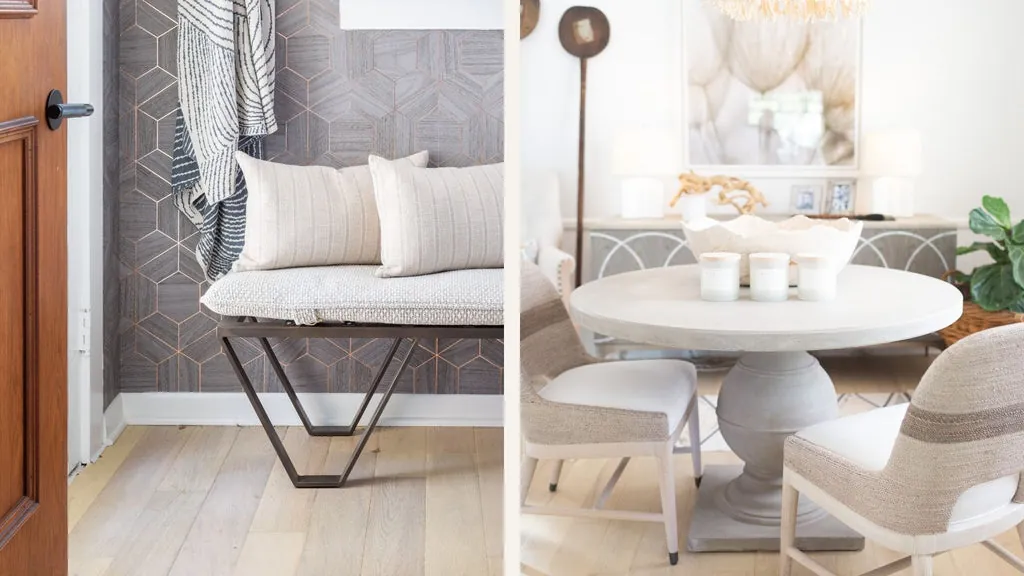
Santa Barbara style home decor feels most at home when it gives a room a few useful layers rather than a collection of motifs. Begin with the light, materials, and furnishing plan already in place, then add art, textiles, mirrors, or objects that reinforce the room's character. Choose materials that improve the way the room is used, not just the way it photographs. The result can feel collected, comfortable, and connected to the garden or landscape beyond it.
Santa Barbara style interior design feels warm, grounded, and open to the landscape. Its most useful ideas are simple: natural materials carry more weight than decoration, rooms need enough ease to be lived in, and indoor spaces should hold a conversation with the garden, terrace, or light beyond them.
The look is often associated with white plaster, wood beams, handmade tile, iron, and earthy textiles. Those details can be beautiful, but the stronger lesson is about balance. A room needs a calm base, a few materials with real character, and furniture arranged for the people who use it. Home Crush approaches interiors from that practical place, bringing furnishings, lighting, art, textiles, and outdoor rooms into one considered direction.
Santa Barbara interior colors stay warm and muted
Walls, floors, and larger upholstery pieces set the emotional temperature of a room. Santa Barbara style usually asks for a base that feels soft rather than shiny: warm white, putty, sand, tobacco, olive, terracotta, or the muted blue-grey of a coastal morning. The goal is not to paint every room beige. It is to choose an underlying palette that lets daylight, art, and the irregularity of natural materials register clearly.
Texture does much of the work. Plaster, limewash, linen, wool, wood, leather, and stone each catch light differently, so a restrained palette still feels layered. Use a smooth surface beside a rough one, such as a tailored sofa against a textured wall or a woven shade near a stone hearth. That contrast keeps a neutral room from becoming flat.
Open-plan rooms feel grounded around one substantial center
The strongest Santa Barbara rooms do not scatter attention evenly. They usually have one substantial center: a long dining table, a fireplace wall, a deeply comfortable sofa, or a large piece of art that makes the room feel claimed. Let that center determine the furniture plan before adding accessories.
For seating, begin with conversation and circulation. Chairs should face one another closely enough to talk without raising a voice, while paths to doors, windows, and outdoor spaces stay clear. In a dining room, allow the table to feel generous rather than squeezed against the wall. A room becomes more relaxed when people can move through it without apologizing for their knees or rearranging the furniture each time someone arrives.
Natural materials gain character with use
Aged wood, hand-finished ceramics, wool rugs, linen, leather, and forged metal work well because they bring variation without demanding constant visual attention. They can carry a room even when the silhouette of the furniture is simple. What matters is a mix of finishes that have different temperatures: cool stone beside warm wood, dry linen beside a glazed ceramic, dark iron beside a pale wall.
Choose fewer materials and let them repeat with purpose. A timber tone that appears in the dining chairs, picture frames, and a bedside table makes a home feel intentional. The same goes for metal finishes and textiles. Repetition is not a formula, it is the quiet thread that keeps a collected room from feeling accidental.
Color and decor feel personal when they avoid a theme
Santa Barbara style home decor should give a room more character without turning it into a theme. Start with the pieces that make daily life better: a lamp that makes a chair useful at night, a mirror that brings light into an entry, or a textile that softens a place where people gather. Then choose one or two objects, artworks, or ceramics that carry a material or color already present in the room.
The room stays personal when every surface does not ask for attention. Let one larger gesture, such as a painting, a handmade vessel, or a weathered wood piece, have enough space to register. Smaller details can support it through texture and rhythm. For a closer look at pieces that bring those finishing layers together, explore home decor at the Santa Barbara studio.
Architectural details work best when edited, not themed
Arches, beams, tile, ironwork, and carved wood can all belong in a Santa Barbara home, but they do not need to appear in every sightline. One honest architectural feature has more presence than a series of decorative imitations. If the house already has arches or exposed beams, give them room to be noticed. If it does not, bring the same warmth through shape, texture, and proportion rather than adding a false historical costume.
Tile is a good example. A hand-finished tile behind a range, around a fireplace, or at an entry can offer color and movement. It works best when the surrounding decisions are quieter. Pair it with a simple counter edge, an unfussy light fixture, and hardware that feels durable enough to touch every day. The tile becomes a point of character instead of visual noise.
Indoor and outdoor rooms should share a visual language
Santa Barbara style is at its best when the transition outside feels deliberate. A doorway, terrace, or garden view should not be treated as empty space beyond the room. Repeat a color, material, or level of comfort across the threshold so the eye understands the connection. A linen curtain, a wood finish, a clay planter, or a familiar lighting tone can make that transition feel natural.
The outdoor room also needs its own job. A dining area should support a long meal, a lounge should make conversation easy, and a smaller courtyard may only need one beautifully resolved place to sit. The same planning principles apply to both sides of the door. Our notes on outdoor living rooms and patio furniture materials can help turn that connection into a space people actually use.
Layered light supports morning, evening, and ordinary moments
Daylight gives this style much of its appeal, but a room must still feel good after sunset. Start with the useful light: a reading lamp beside a chair, a pendant that gives a dining table a sense of place, and a gentle source near the entry. Then add a softer layer that makes the room feel inhabited rather than merely illuminated.
Avoid relying on one bright overhead fixture to do everything. A mix of lamps, wall light, and a focused overhead piece lets different areas of the room come forward as the day changes. In rooms that open outdoors, carry that thought into the garden or terrace so the view remains part of the room after dark.
Santa Barbara style can feel refined rather than rustic
A Santa Barbara-inspired interior should not look like a set assembled in one afternoon. Keep the furniture plan calm enough to make room for the things that have followed you home: a painting, a worn chair, a collection of ceramics, a family table, or a textile with a little imperfect color. Those are often the details that keep a room from becoming a style exercise.
Edit as you add. A shelf looks more convincing when it has breathing room around a few meaningful objects. A wall can feel finished with one large artwork rather than six small pieces competing for attention. The aim is a home that carries a point of view and still feels easy to enter, use, and change over time.
Build the room around the way you live
Home Crush brings a designer's eye to individual rooms, furnishing plans, outdoor spaces, and more complete interiors. The studio can help you work with the pieces that already matter, then make the next material, lighting, furniture, and layout decisions feel connected rather than pieced together.
Bring room photographs, rough dimensions, a floor plan, a paint color, fabric samples, or inspiration images to begin with the real conditions of your home. It starts with a conversation about the feeling you want to come home to. Visit the Santa Barbara interior design studio or start a project conversation when you are ready to bring the pieces into one clear direction.
Frequently asked questions
What colors suit Santa Barbara style interiors?
Warm whites, chalky plaster tones, sun-washed earth colors, aged wood, and darker accents all fit naturally. Start with a quiet base, then let tile, textiles, art, or planting bring in stronger notes that make sense with the light and materials already in the room.
Does Santa Barbara style have to feel rustic?
No. It can feel refined, contemporary, or collected. The useful part of the style is its sense of weight, texture, and ease, not a requirement to use every traditional motif in every room. Keep the larger shapes quiet, then let one or two textured details carry the character.
How do I make an open-plan room feel grounded?
Give the room a clear center, such as a substantial table, a seating arrangement that faces conversation, or a fireplace wall. Then repeat one or two materials across the adjoining zones so the room reads as one home rather than separate displays.
How can home decor make Santa Barbara style feel personal?
Begin with the parts of the room that already work, then choose a few pieces that bring texture, memory, or a useful source of light. Art, textiles, a mirror, or a well-made object can add character when it supports the room's proportions instead of competing with every other surface.
Related posts
Outdoor living
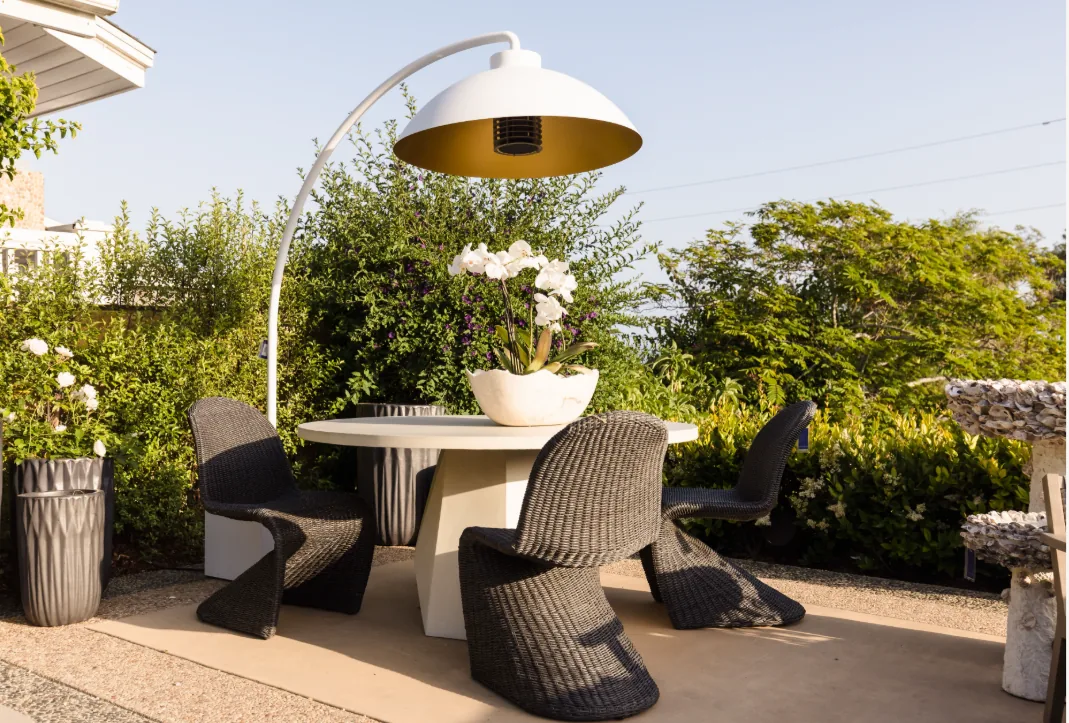
Outdoor Living Room Ideas That Feel Like Home
A designer-minded guide to planning an outdoor room with comfort, flow, shade, light, and a point of view.
Read article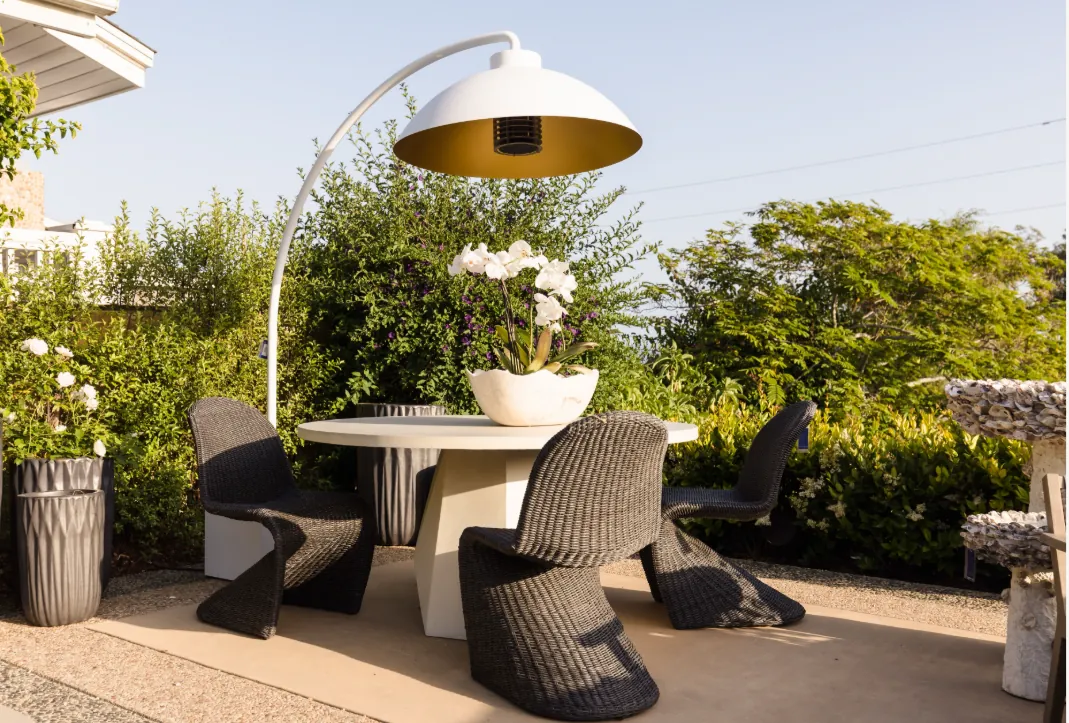
Outdoor living
Patio Furniture Materials: What Works Where
A practical guide to choosing patio furniture materials for the sun, salt air, maintenance, comfort, and the way you live outside.
Read article