
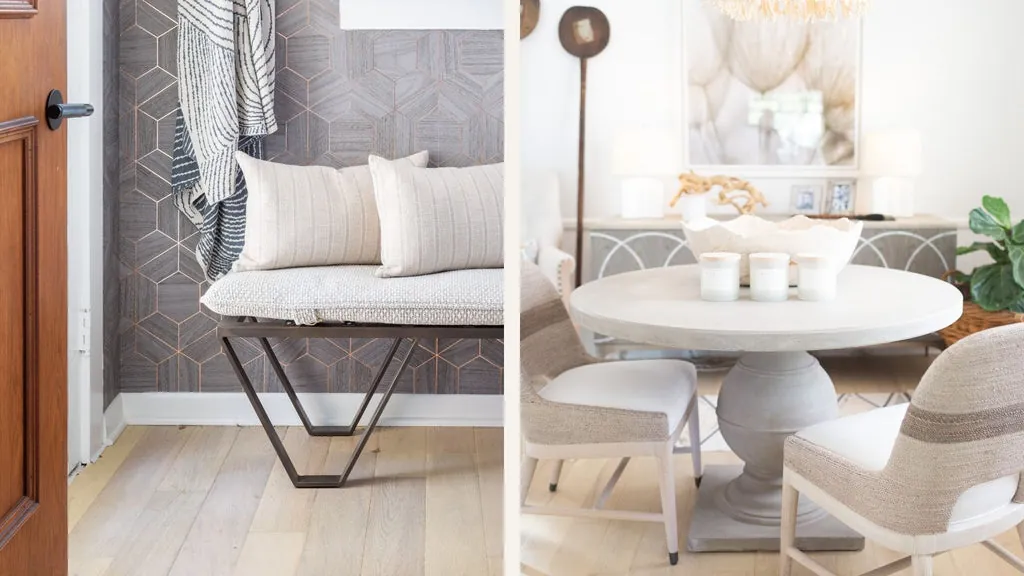
Types of home interior design styles are best used as a vocabulary, not a set of rooms to copy. Traditional, modern, coastal, and collected interiors each give you a way to describe what feels right, but the strongest home usually takes the pieces, materials, and proportions that suit the people living there. Begin by noticing the rooms you return to, then use the styles below to turn that instinct into decisions you can make.
Key takeaways for your interior design direction
- Choose a direction from the way a room needs to work, not from a label alone.
- Use a few repeated materials, colors, or shapes to make a mixed room feel intentional.
- Start with the largest pieces, then let the smaller layers give the room its character.
Room use and feeling lead the design direction
Before choosing a label, decide how the room needs to support daily life. A living room that hosts long dinners and a quiet reading room can share a palette without needing the same furniture or mood. Think about how many people gather there, how much visual calm you want, what needs to be stored, and which existing piece deserves to stay.
Then look for patterns in your saved images. Are the rooms spare or layered? Do they rely on linen, wood, stone, metal, or pattern? Are the furnishings low and sculptural, tailored and symmetrical, or relaxed enough to move around? Those answers give you a more useful direction than declaring that every choice must belong to one style.
Your preferences reveal an interior design style
Finding an interior design style starts with editing, not buying. Gather a small group of rooms you genuinely like, then identify what repeats across them. You may notice that you are drawn to quiet colors, dark timber, curved seating, layered rugs, or a mix of old and new. Name the repetitions, then choose the two or three that matter most for the room in front of you.
It also helps to identify what you do not want. If rooms that feel too polished, too sparse, or too busy leave you cold, that is useful information. A clear direction often comes from the tension between what you admire in an image and what you would be happy to live with every day.
Modern design favors clean lines and visual breathing room
Modern interiors tend to use clear silhouettes, a restrained material palette, and space around the furniture. A sofa may sit low and long, a light fixture may read as a single sculptural gesture, and storage is often built into the room rather than added as another object. The effect is calm, but it should never feel vacant.
Choose modern when you respond to uncluttered rooms, strong architecture, and furniture that earns its place through proportion. Warm wood, textured upholstery, art, and a few personal objects keep it from becoming severe. The room still needs enough seating, light, and surface area for the way you live.
Traditional design gives a room structure and familiarity
Traditional interiors build comfort through recognizable forms: tailored upholstery, considered symmetry, wood with depth, and a mix of useful tables and lamps. The style does not require a formal house or a matching set. It is more about a sense of order, detail, and pieces that look as though they have earned a long stay.
A traditional foundation is a good fit when you value classic shapes, antiques, or rooms that welcome several generations at once. Keep the room current by varying the finishes and allowing one unexpected note, such as contemporary art, a lighter fabric, or a sculptural lamp.
Transitional design balances classic forms with a quieter finish
Transitional rooms borrow the comfort and proportion of traditional design, then simplify the decoration. You might see a familiar sofa shape in a plain fabric, paneled walls with a less ornate light fixture, or an antique table alongside chairs with a cleaner profile. The result feels composed without being tied to a particular period.
This is often a useful direction for a home with architectural character but a more relaxed way of living. The balance comes from editing. Let a few pieces carry history, then give them enough open space and simpler companions to feel deliberate rather than crowded.
Coastal design works through light, texture, and ease
Coastal design is less about a literal beach theme than a sense of lightness. Natural fibers, washed woods, woven details, generous upholstery, and a palette informed by sun, stone, water, or garden can make a room feel open and unforced. The furniture should invite use, not make the room feel like a vacation rental.
For California homes, coastal direction can be especially convincing when it responds to the actual light and indoor-outdoor rhythm of the house. Pair a relaxed linen or cotton upholstery story with materials that gain character over time, then keep decorative references subtle. Shells and signs are not required.
Mid-century modern puts shape and material in focus
Mid-century modern design is defined by purposeful forms, warm woods, tapered legs, and a confident relationship between furniture and architecture. It often works well where a room needs a few strong pieces rather than many small accessories. Color can be graphic, but the room also has enough restraint to let a single chair, credenza, or pendant lead.
Use this direction when you enjoy furniture as an object in its own right. Mix originals or vintage references with comfortable contemporary upholstery so the room serves everyday life rather than becoming a period display. One or two recognizable silhouettes can say more than a room full of replicas.
Collected interiors make room for history and personality
A collected interior is built over time, or at least made to feel that way. New upholstery can sit beside a worn wood table, a family piece, ceramics, books, art, and lighting from different decades. What holds it together is not matching finishes. It is a point of view about color, scale, and what belongs in the room.
This approach suits people who want a home to reveal their interests rather than follow one catalogue. Give each surface some restraint, repeat a few colors or materials, and leave space around favorite things. A room becomes richer when every object has a reason to be there, not when every inch is filled.
A comparison makes the clearest direction visible
| Style | Best starting point | Keep it personal with |
|---|---|---|
| Modern | Clean-lined seating and open space | Texture, art, and warm materials |
| Traditional | Tailored shapes and considered symmetry | Unexpected lighting or contemporary art |
| Transitional | Classic proportions in simpler finishes | Edited accessories and relaxed fabrics |
| Coastal | Natural texture and an easy palette | Materials that respond to the home’s light |
| Mid-century modern | One strong wood or sculptural piece | Comfortable upholstery and fewer replicas |
| Collected | Favorite pieces with different histories | Repeated colors, scale, and breathing room |
Use the table as a way to begin, not a checklist. If two columns sound right, the mix may be the answer. A room with a modern sofa, an antique table, and woven texture can be more convincing than a room that tries to demonstrate a single style at every turn.
Mixed styles feel cohesive when a few choices repeat
Mixing interior design styles works when the room has a few anchors. Repeat a wood tone, a metal finish, a family of colors, or the visual weight of the furniture, then let the individual pieces have different histories. A traditional table can sit comfortably with modern chairs when the scale feels balanced and the rest of the room gives both pieces space.
Start with one foundation, then add contrast in measured doses. A mostly modern room may need one antique, while a collected room may need a clean-lined sofa to keep it from feeling overworked. The aim is not perfect consistency. It is a room that feels like the people in it made the choices on purpose.
The easiest style to start with is a simple foundation
The easiest place to begin is a foundation that responds to the room itself. Work from the architecture, natural light, and the largest piece of furniture you need, then allow the smaller layers to bring in personality. A quiet sofa, an honest material palette, and a well-planned lamp can support many styles while leaving room for the things you find over time.
That approach is especially useful when more than one person is shaping the home. Choose a shared baseline, then make room for the art, objects, textiles, and color that each person is drawn to. The finished room can have character without requiring every decision to be settled on day one.
One room can establish a direction for the whole home
Begin with the room that carries the most of your daily life. It may be the living room where everyone gathers, the dining room that has never quite worked, or the bedroom that should feel more settled at the end of the day. When that room has a clear layout and a handful of material decisions you love, it becomes a useful reference for the rooms beside it.
Carry the direction forward by repeating an idea, not duplicating the room. A warm oak finish can appear in a dining table and a bedroom frame. The same softened blue might arrive as a living-room textile, then return in a smaller piece of art down the hall. Repetition gives a home continuity while allowing each room to have its own purpose and mood.
Build the room from the largest decisions outward
Choose the layout and the largest furniture pieces before settling on the smaller layers. A sofa, dining table, bed, or rug establishes scale, circulation, and the amount of visual weight the room can hold. Once those decisions are sound, lighting, textiles, art, and objects can give the direction more character without having to rescue an awkward plan.
Home Crush approaches room planning in that order: how the room works first, then the furnishing, lighting, finishes, and smaller layers that make it feel complete. If you are sorting out a new direction for one room or an entire home, explore our interior design services or bring the pieces you want to keep to a conversation with the studio.
Frequently asked questions
How do I find my interior design style?
Begin with rooms you return to, then notice the repeated choices rather than the label beneath each image. You may consistently prefer pale wood, shaped upholstery, warm metals, or rooms with more open space. Those patterns are a stronger starting point than trying to choose one style before you know what you want your rooms to do.
Can I mix interior design styles in one home?
Yes. The most convincing rooms usually borrow from more than one style. The key is to repeat a few decisions across the room, such as a material palette, color temperature, furniture scale, or the amount of ornament, so the mix feels intentional.
What is the easiest style to start with?
Start with the style that best fits the architecture, light, and daily use of the room. A restrained foundation with a few personal pieces is often easier to live with than committing every surface to a trend. Let the furniture plan establish the direction before choosing smaller layers.
Related posts
Outdoor living
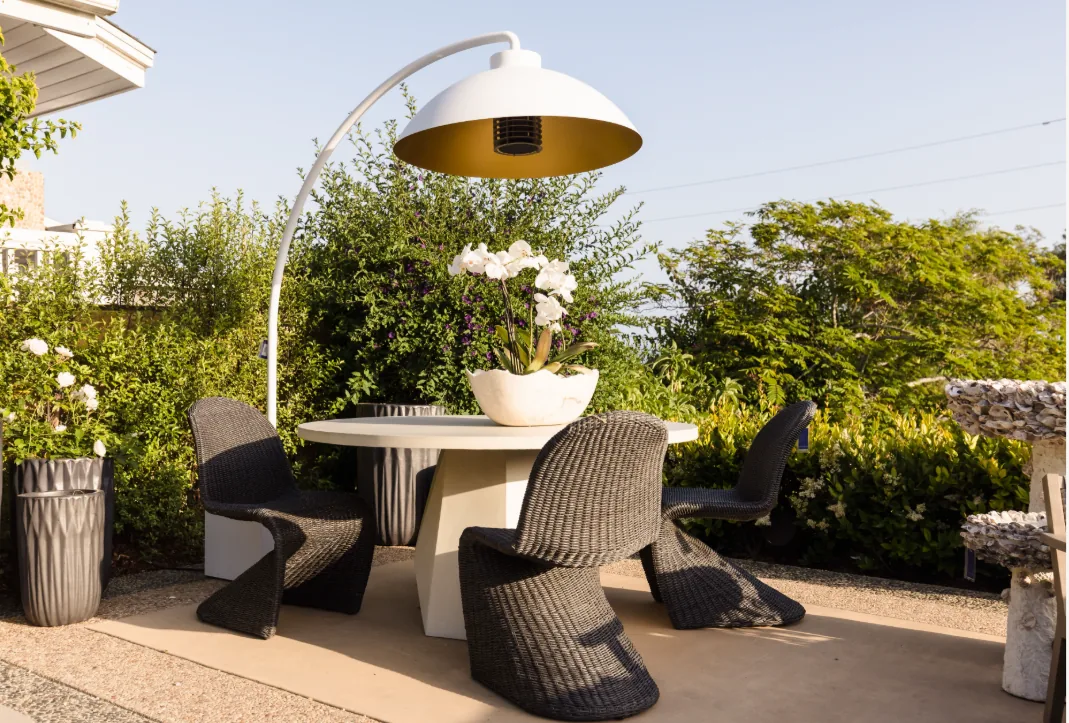
Outdoor Living Room Ideas That Feel Like Home
A designer-minded guide to planning an outdoor room with comfort, flow, shade, light, and a point of view.
Read article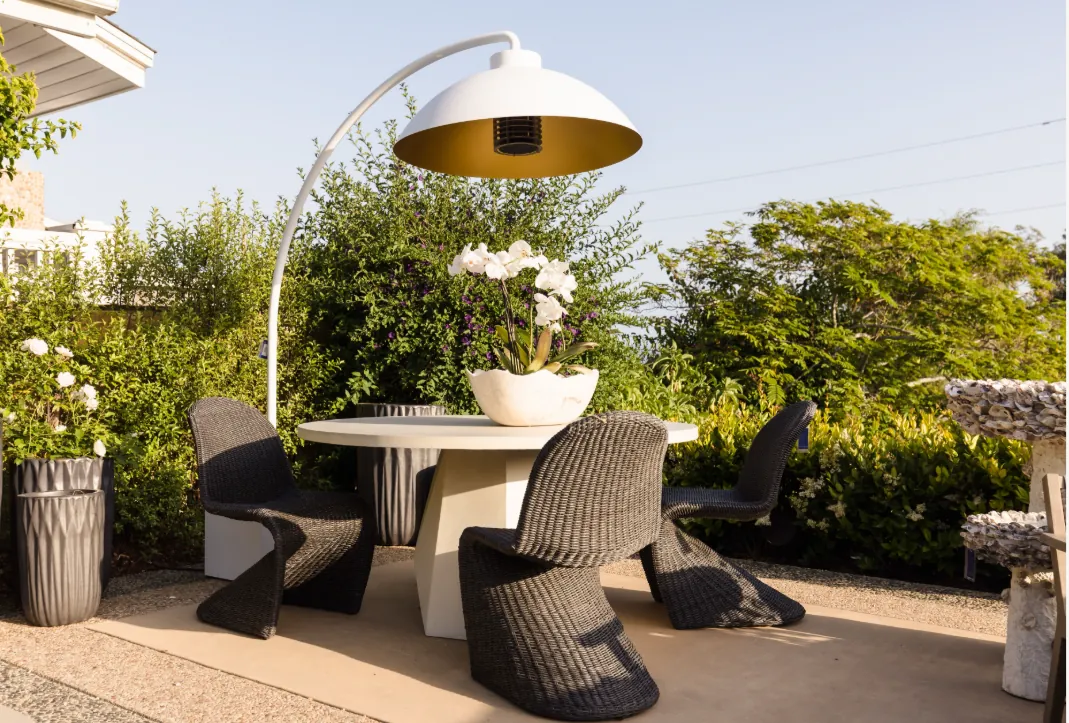
Outdoor living
Patio Furniture Materials: What Works Where
A practical guide to choosing patio furniture materials for the sun, salt air, maintenance, comfort, and the way you live outside.
Read article