
Santa Barbara style interior design feels warm, collected, and quietly connected to the life happening beyond the doors. The strongest rooms pair natural materials with useful comfort, then leave enough visual space for light, landscape, and the people who live there. The goal is not to copy a set of architectural details. It is to make the interior feel settled in the place where it stands.
At Home Crush, that starts with the room's real job: where people gather, what needs to stay, how the light changes, and which view or outdoor threshold deserves attention. The style comes into focus through proportion, texture, color, and a few materials that have enough character to carry the room without making it feel themed.
Warm materials create the Santa Barbara foundation
Santa Barbara rooms usually feel calm because the big surfaces do not compete. Let walls, floors, and larger upholstery establish an easy base, then introduce depth through plaster-like softness, natural wood, woven fiber, aged metal, stone, and textiles with a visible hand. A room does not need every one of those materials. Two or three, repeated with intention, are often enough.
Choose the largest pieces first. A sofa with a generous profile, a wood table with real grain, or a textured rug can set the tone more convincingly than a shelf full of small accessories. This approach also keeps a room from tipping into a staged version of coastal or Spanish-inspired style. The material should earn its place by making the room more comfortable, useful, or inviting.
An architectural palette keeps color grounded
Look at what the house already gives you before choosing color. A room with warm tile, timber, deep window reveals, or an arched opening can handle a quieter palette because the architecture already brings texture. A cleaner, newer room may need a little more contrast through an earthy rug, a woven shade, an upholstered chair, or a piece of art with warmth in it.
Use off-whites, sand, clay, olive, tobacco, soft blue, and sun-faded red as reference points rather than a strict palette. The useful question is whether the colors belong together in the changing light of the room. A strong accent can work beautifully, but it should have a partner somewhere else in the space, perhaps in a textile, ceramic, book cover, or garden view. That small repetition makes color feel collected rather than dropped in.
Build contrast through texture and scale
A Santa Barbara interior needs both softness and structure. A smooth plaster wall becomes more interesting beside a nubby linen sofa. A substantial wood table feels lighter with a delicate pendant above it. A clean-lined chair can make a room with beams, tile, or a traditional fireplace feel current without asking the room to become modern everywhere at once.
Scale matters as much as finish. Small decorative pieces cannot compensate for a sofa that is too slight, a rug that leaves the seating group floating, or a pendant that disappears above the table. Begin with the elements people use from across the room. Then add one sculptural object, a lamp, or a textile that rewards a closer look. Home Crush's Santa Barbara interior design service approaches furnishings, lighting, art, textiles, and objects as parts of one composition, rather than as a series of isolated purchases.
Layered light supports the room all day
Natural light is a major part of the style, but a room also needs to work after sunset. Start by noticing the light the house already has: a bright window, a garden-facing door, a fireplace wall, or the corner that is most comfortable at the end of the afternoon. Arrange seating to take advantage of that condition instead of automatically pushing every piece against a wall.
Then layer practical light. A pendant or ceiling fixture gives the room structure, while table lamps and sconces make conversation, reading, and evening meals more comfortable. Vary the height of those sources so the room does not feel lit from one flat plane. For rooms that open to a terrace or garden, the same principle can continue outdoors with a considered layer of patio lighting rather than one bright fixture at the door.
Indoor-outdoor thresholds extend the living space
One of the most useful Santa Barbara-style moves is to treat a patio, garden room, or view as part of the interior composition. That does not require matching furniture inside and out. It means carrying a few relationships across the threshold: a similar warmth in the materials, a clear sightline, a chair positioned toward the doors, or an exterior dining area that is easy to reach from the kitchen.
Keep circulation simple. A door should open without meeting a crowded chair, a table, or a decorative object that has nowhere else to go. When the passage works, the home feels larger and more relaxed. The outdoor living room guide offers a practical way to plan seating, a focal point, and movement beyond the interior room.
Comfortable furniture gives the room staying power
This style has room for polish, but it does not need perfection. Look for pieces that feel good to sit in, materials that can develop character, and surfaces that can accommodate an ordinary dinner, a stack of books, or a vase of branches without becoming precious. A room with nothing personal on display rarely feels connected to the home around it.
Edit with restraint. Instead of adding many small objects, give a few things room to matter: an old vessel, a lamp with a warm shade, a woven basket, a painting, or a collection of books. Pair them with comfortable seating and a useful surface nearby. The result feels less like a catalog and more like a room people are invited to use.
Give traditional elements a current role
A room can acknowledge the local character of Santa Barbara without recreating a period set. Keep an arch, a beam, a tiled hearth, or an iron detail when it gives the room structure, then balance it with upholstery and lighting that fit the way you live now. A contemporary painting over an older fireplace, a clean-lined sofa below a timber ceiling, or a simple lamp beside an antique table can make the mix feel deliberate.
Do not add a traditional element simply because the style seems to call for one. The better choice is often to clarify what is already present. Let one memorable material lead, then keep the surrounding pieces quiet enough to support it. That approach gives older details room to breathe and makes newer pieces feel like they belong in the same house.
A personal mix matters more than literal styling
Santa Barbara style is flexible enough for contemporary art, cleaner-lined upholstery, family pieces, and unexpected color. The room only needs a common thread. That thread might be a warm wood tone, a repeated curve, a modest palette, or the way indoor and outdoor spaces relate. If every item tries to announce the same style, the room becomes heavy. If each piece has a role, the mix feels easy.
A helpful test is to remove the most obvious themed item in your mind. If the room still feels warm, grounded, and connected to its architecture, the foundation is doing the work. If it suddenly feels generic, return to the larger decisions: material, scale, light, and layout. Those are the choices people experience before they notice the details.
Take the same approach one room at a time. Resolve the seating and lighting in the living room before choosing every accessory. Give the dining room a table that supports the way you gather before searching for the perfect centerpiece. That pace leaves room for the home to show you what it needs, and it keeps the finished rooms connected without making them identical.
A coordinated plan brings the room into focus
Home Crush can help you connect the furniture, lighting, materials, and finishing layers that make a home feel personal. Explore design services, browse the current collection, or start a conversation about your space. Bring a photograph, a floor plan, or the one piece you know you want to keep, and the next decision can become clearer.
Related posts
Outdoor living
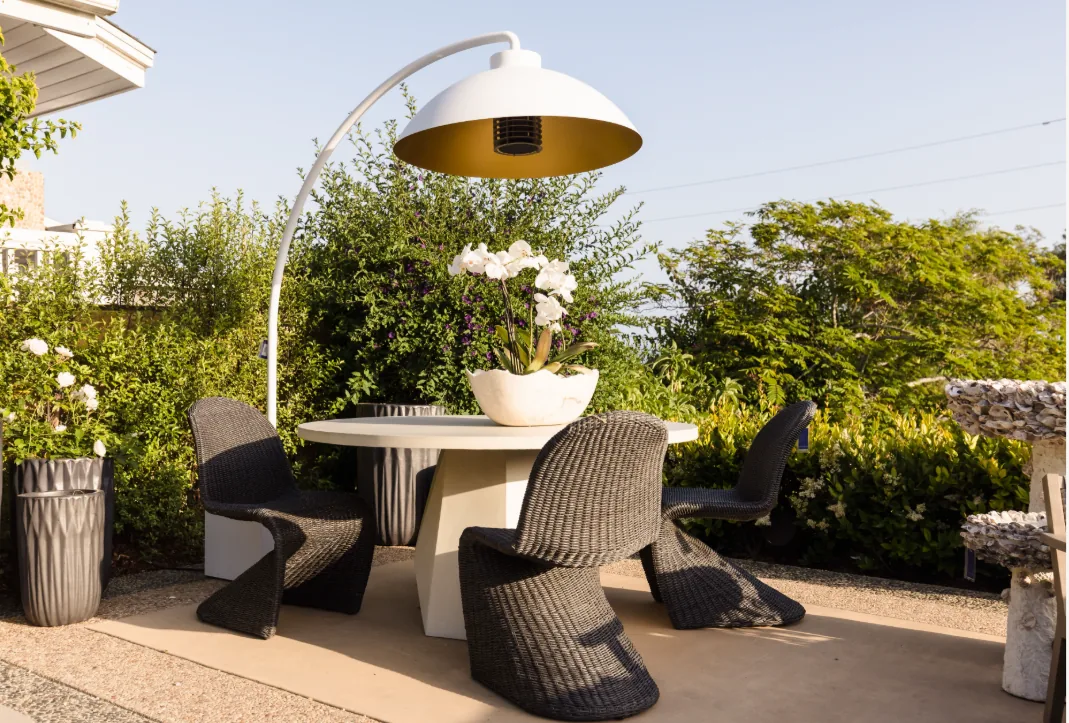
Outdoor Living Room Ideas That Feel Like Home
A designer-minded guide to planning an outdoor room with comfort, flow, shade, light, and a point of view.
Read article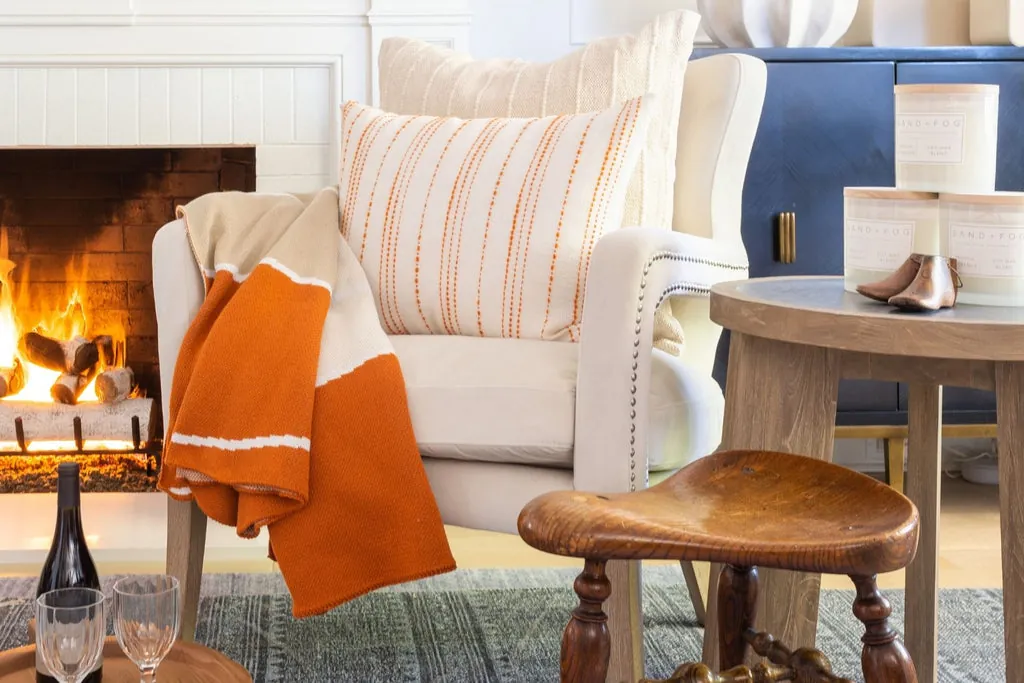
Outdoor living
Patio Lighting Ideas for Evenings Outside
A practical guide to layering patio light for dinner, conversation, safe movement, and an inviting after-dark glow.
Read article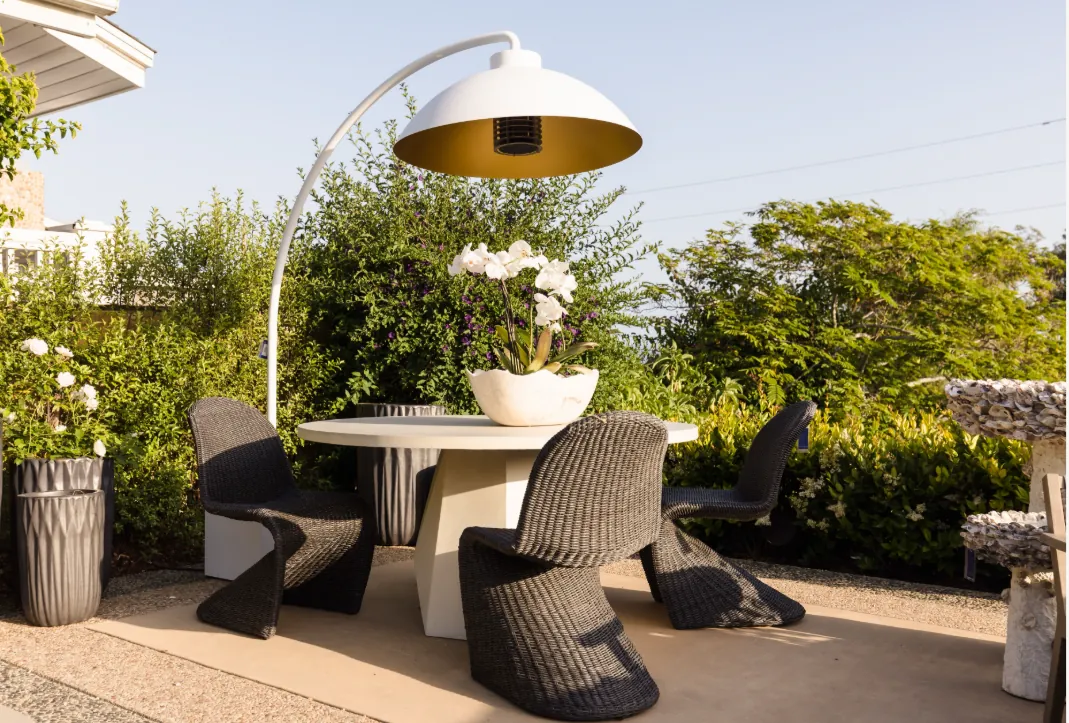
Outdoor living
Patio Furniture Materials: What Works Where
A practical guide to choosing patio furniture materials for the sun, salt air, maintenance, comfort, and the way you live outside.
Read articlePhotography from Home Crush.